

India has a long-established tradition of instituting inquiry commissions to examine episodes of mass violence, communal breakdown, and administrative failure.
From the Justice Nanavati and Mishra Commissions on the 1984 anti-Sikh riots to the Justice Srikrishna Commission on the 1992–93 Mumbai riots, the Liberhan Commission on Ayodhya, and more recently the Ajai Lamba Commission on Manipur, successive governments have relied on statutory inquiries as instruments of fact-finding and accountability.
However, the mass exodus of the Kashmiri Pandit community in 1989–90 remains one of the few major tragedies in independent India that has not been examined by a dedicated judicial or statutory commission.
More than three decades later, there has been no inquiry constituted under the Commissions of Inquiry Act, 1952 to investigate the circumstances that led to the displacement, the targeted killings, and the alleged intimidation faced by members of the community at the time.
The absence of such an exercise has been repeatedly raised by political leaders, civil society groups and members of the displaced community.
An Unexamined Episode
The migration of Kashmiri Pandits in the early 1990s followed a period marked by militancy, targeted killings of prominent community members, threats, and a breakdown of law and order in the Valley. The developments led to the large-scale displacement of the minority community from the region.
Over the years, scholars, human rights groups and parliamentary committees have documented aspects of the events and their aftermath. In 1995, the National Human Rights Commission described the acts leading to the exodus as “akin to genocide,” while acknowledging the suffering and displacement faced by the community.
Despite such observations, no comprehensive official inquiry has been conducted to establish a consolidated record of the events, identify systemic failures, or determine responsibility.
Political and Administrative Context
Analysts and political leaders have attributed the absence of a commission to the complex political and security environment that prevailed at the time, marked by rising militancy, administrative challenges, and international attention on Kashmir.
According to some observers, successive governments at both the Centre and in the erstwhile state avoided instituting an inquiry due to the sensitive nature of the conflict and the potential implications of revisiting events from that period. The situation in Kashmir continued to be framed largely in terms of a political and security dispute, with limited institutional focus on documenting the experiences of displaced communities.
Calls for Accountability
Inquiry commissions in India have often been criticised for delays and limited enforcement powers. However, they are also seen as mechanisms to create an official record, provide a platform for testimony, and identify administrative lapses.
In recent years, there have been renewed calls for a structured truth and reconciliation process in Jammu and Kashmir. In a judgment, Supreme Court judge Justice Sanjay Kishan Kaul observed the need for an impartial mechanism to examine human rights violations in the region by both state and non-state actors since the 1980s.
Supporters of such a process argue that it could help document events, acknowledge the experiences of victims, and contribute to reconciliation.
Debate Over Reopening the Past
There are differing views on whether revisiting the events of 1989–90 through an official inquiry would aid reconciliation or risk reopening old wounds. Similar debates have occurred in the context of other episodes of violence in India, some of which were investigated decades later.
Proponents of an inquiry say a judicial commission or a Supreme Court-monitored Special Investigation Team could help establish facts and restore faith in institutional processes. Critics, however, caution that any such exercise must be balanced and sensitive to the broader conflict and the experiences of all affected communities.
A Continuing Issue
More than 30 years after the exodus, the question of accountability and documentation continues to be raised in public discourse. For many displaced families, the lack of a comprehensive official inquiry remains a significant gap in the national response to the crisis.
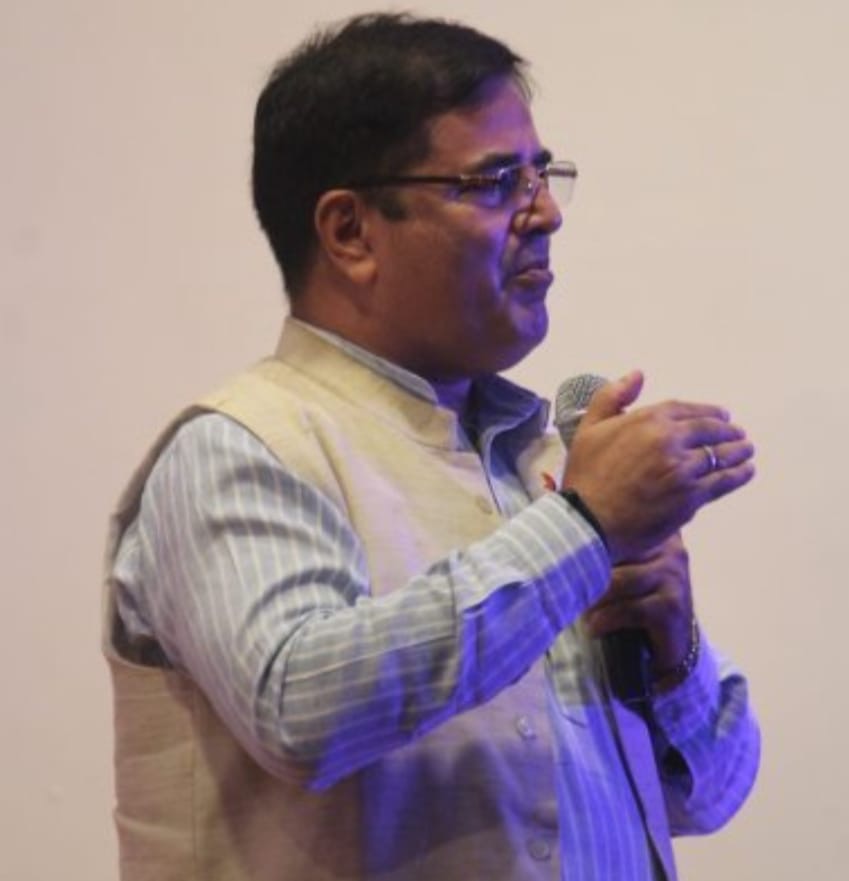
Girdhari Lal Raina, a former Member of the Legislative Council of the erstwhile Jammu and Kashmir and spokesperson of the BJP in the Union Territory, has reiterated the demand for a high-level inquiry into the events, stating that acknowledging the past through institutional mechanisms is essential for justice and reconciliation.

Comments are closed.