

Harvinder Ahuja
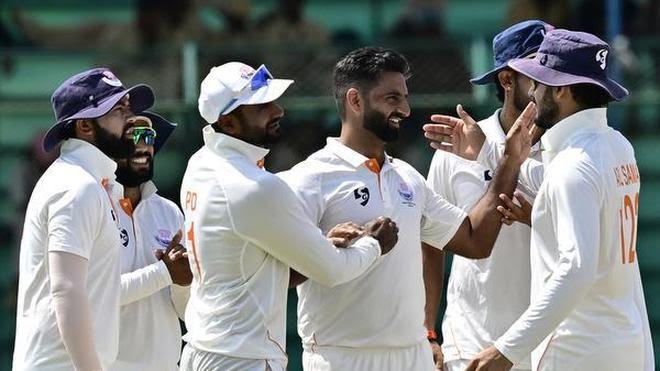
Jammu & Kashmir cricket team scripted a historic chapter in Indian domestic cricket, clinching their maiden Ranji Trophy title on February 28 and igniting celebrations across the Union Territory. The triumph is not merely a sporting milestone; it is a deeply symbolic moment for a region long defined in national discourse by conflict, political upheaval and uncertainty.
In a gripping final against seven-time champions Karnataka, J&K players displayed resilience emblematic of their journey. Powered by disciplined bowling and fearless batting, the side held their nerve under pressure – qualities forged as much off the field as on it. For decades, infrastructure gaps, limited exposure and logistical challenges hindered consistent performance. The Ranji crown signals a coming of age.
For the record, before this victory J&K had played 334 Ranji matches over a period of 67 years, and won only 45 of them. On way to this season’s final, they trounced seasoned teams like Rajasthan, Hyderabad, Delhi, Himachal Pradesh and West Bengal, one after another. Importantly enough, while their opponents Karnataka had five Test players in their team, J&K had none.
Politically, the J&K win carries layered significance. Since the abrogation of Article 370, New Delhi has repeatedly emphasised integration, development and youth engagement as pillars of its Kashmir policy. The Ranji triumph offers the Government a powerful narrative of normalcy and opportunity. It reinforces the message that investment in sports infrastructure, grassroots academies and national-level exposure is bearing fruit.
The achievement also transcends partisan talking points. Across the Valley and the Jammu region alike, celebrations cut across religious and regional divides. In towns where shuttered markets and security checkpoints once dominated headlines, young boys and girls poured onto streets waving the Tricolour. Social media was flooded with congratulatory messages from former cricketers and political leaders spanning ideological lines.
The social resonance is profound. For a generation that grew up amid curfews and communications blackouts, this team represents aspiration without alienation. Sport, particularly cricket in India, is a language of belonging. Watching their own lift the Ranji Trophy affirms that Kashmiri talent can compete – and conquer – on the national stage.
The role of improved infrastructure cannot be ignored. Revamped stadiums in Srinagar and Jammu, better coaching support, and increased participation in national circuits have expanded the talent pool. Several players who once migrated to other states for better prospects chose to stay back, reflecting growing confidence in local systems.
In lifting the Ranji Trophy, Team J&K has done more than win a championship. It has offered a unifying story – of resilience, integration and hope.

Comments are closed.